
20 ft container
About 26–28 usable CBM.
Product verticals
A Bali furniture sourcing agent finds and vets teak, rattan, bamboo and reclaimed-wood workshops, verifies their legal registration and timber documents, checks kiln-drying and moisture levels before loading, and plans your container down to the last cubic metre. We are an independent agent under Juara Holding Group — fees are quoted per project, transparently, before you commit.
Dry, legal, crack-free and packed tight
Quick answer
Buying furniture from Bali by email is easy. Receiving what you actually ordered — dry, legal, crack-free and packed tight — is the hard part.
We are a broker, not the factory. Vetting and inspection reduce risk substantially; they do not guarantee outcomes, and no agent can promise customs clearance at your end.
Which materials come out of Bali?
| Category | Typical products | What to verify before paying |
|---|---|---|
| Teak (mostly Java-grown plantation stock) | Dining tables, outdoor sets, doors | Kiln-dry certificate, moisture reading per piece, SVLK/V-Legal paperwork, grade consistency across the batch |
| Rattan and natural fibre | Chairs, pendant lamps, baskets, headboards | Fumigation treatment, weave density, frame joinery, mould risk in rainy-season storage |
| Bamboo | Screens, shelving, café furniture | Borax/boron treatment against powder-post beetle, node splitting, straightness tolerance |
| Reclaimed wood (old boats, teak houses) | Statement tables, consoles, cladding | Metal detection (hidden nails), moisture stabilisation, documented reclaimed origin for legality files |
| Mixed-media (wood + metal, wood + resin) | Bar stools, desks, resin-river tables | Weld quality, resin cure time, colour matching between production runs |
Indoor and outdoor pieces also need different finishing. Indoor furniture typically gets lacquer, PU or oil finishes that assume a stable climate. Outdoor teak needs either a weathering-friendly raw finish or marine-grade oils — and hardware must be stainless, not the zinc-plated screws some workshops substitute when nobody inspects.
Why kiln-drying decides your order’s fate
Solid wood shipped at high moisture keeps drying inside your heated showroom until it splits.
Our inspectors check moisture with a calibrated meter on every sampled piece, not just the top of the stack. For indoor furniture headed to dry climates, we look for kiln-dried stock in roughly the 8–12 percent range; outdoor pieces tolerate somewhat more.
We also verify the workshop actually owns or rents kiln capacity — some air-dry only, which is slow and unreliable in Bali’s rainy season, when drying stalls and storage humidity climbs.
Timing matters too. Production calendars must absorb Nyepi (a full island shutdown), Galungan and Kuningan ceremonies, and Ramadan. A quoted “60 days” that ignores the ceremonial calendar is really 75.
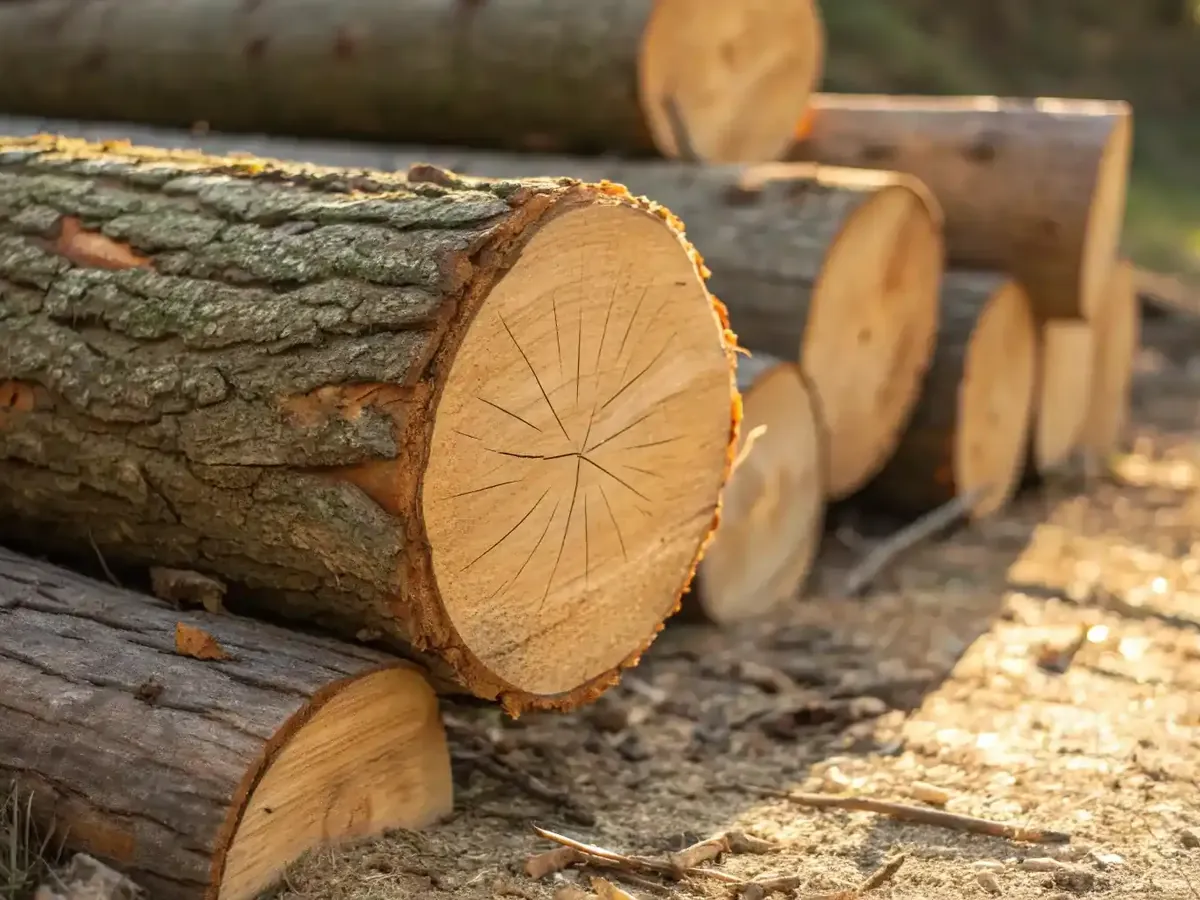
Indonesia operates the SVLK timber legality system, and exported wood products travel with a V-Legal document. Indonesia was the first country in the world to issue FLEGT licences for timber shipments to the EU, from 15 November 2016.
How should you plan the container?
Most Bali furniture suppliers quote FOB Surabaya (Tanjung Perak, in Java) rather than Bali’s Port of Benoa — goods are trucked overnight from Bali to Java because export sailings are cheaper and more frequent there. Build that trucking leg into your timeline and your risk plan.
About 26–28 usable CBM.
About 54–58 usable CBM.
Roughly 68 usable CBM.
Flat-packed or knock-down designs can double the piece count per container versus fully assembled furniture, which is why we push workshops for KD versions of chairs and tables where the design allows. For mixed loads, our consolidation service collects, wraps, silica-packs and load-plans everything at one point, so moisture-sensitive fibre pieces never ride against freshly finished wood.
Engagement options and timelines
We do not publish flat price lists, because honest quotes depend on volume, materials and inspection depth.
| Option | Scope | Typical duration | Fee logic |
|---|---|---|---|
| Supplier scouting report | 3+ vetted workshop candidates with NIB/OSS checks and photos | 1–2 weeks | Fixed fee, quoted per brief |
| Vetting + factory visit | On-site audit: worker IDs, kiln access, machine logs, material stock | 3–5 working days per workshop | Fixed fee per visit |
| Pre-shipment QC | Sample-based inspection, moisture readings, packing check | 1–2 days per order | Per inspection, quoted per project |
| Full sourcing-to-container | Scouting through loading supervision and document dossier | 8–16 weeks depending on production | Project fee or agreed commission, disclosed upfront |
We follow standard Indonesian procurement practice: a minimum of three vendor candidates compared per requirement, then quotation, evaluation, negotiation and purchase order — the same requisition-to-PO sequence used in Indonesian corporate SOPs.
Timber and finish
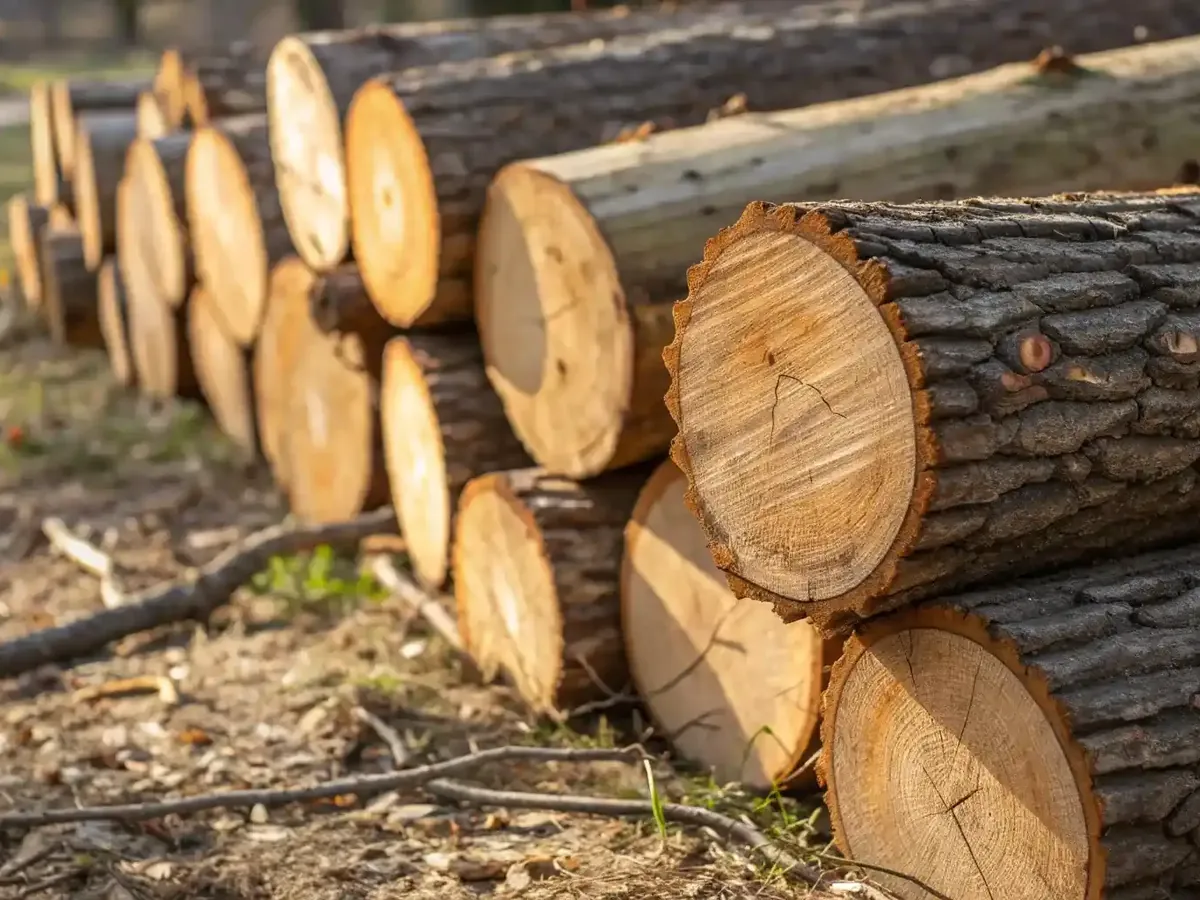
Species, drying and finish — the three variables behind almost every cracked-on-arrival claim.
How does booking work?
Buyer questions
Keep reading
Get a furniture sourcing quote
One container of outdoor teak or a full hotel fit-out — we will scope it honestly, including what we think you should not buy.
Part of Juara Holding Group — an Indonesian group operating from Bali across Indonesia since 2015.