Bali private label product development turns your idea into a factory-ready program: we translate the brief into engineering-grade spec sheets, shortlist vetted Bali and Java workshops, manage sampling to a sealed golden sample, then supervise production QC through to export. You own your designs and tooling, and our fee is a transparent per-project quote — nothing hidden inside the factory price.
Bali Product Sourcing is your independent development agent on the ground — not a factory, not a reseller of factory capacity. Here is the full path, brief to shipped goods.
What Does Private Label Development in Bali Involve?
Six things, in order: a written brief, a technical spec pack, a vetted supplier shortlist, sampling rounds, a sealed golden sample, and supervised production.
The spec pack is where most projects are won or lost. Your brief becomes documents a workshop can be held to: materials and grades, dimensions with tolerance bands, finish and colour references, stitch or joint details, packaging dielines, labeling copy. If it is not written down, it is not enforceable.
Every shortlisted workshop is verified before you see a quote: NIB — Indonesia’s 13-digit business identification number — validated in the government OSS portal, which reveals active status, registered address, KBLI classification and shareholders; tax standing via the DJP portal; export history via the DJBC e-Service and its PEB declarations. A workshop that refuses to share an NIB does not make the shortlist. Following standard Indonesian corporate procurement practice, we compare a minimum of three vendors before recommending one.
Which Product Verticals Can You Private Label From Bali?
| Vertical | Typical formats | Development notes |
|---|---|---|
| Furniture | Teak and suar tables, rattan loungers, hotel FF&E | Rainy season slows wood drying; kiln records checked in vetting |
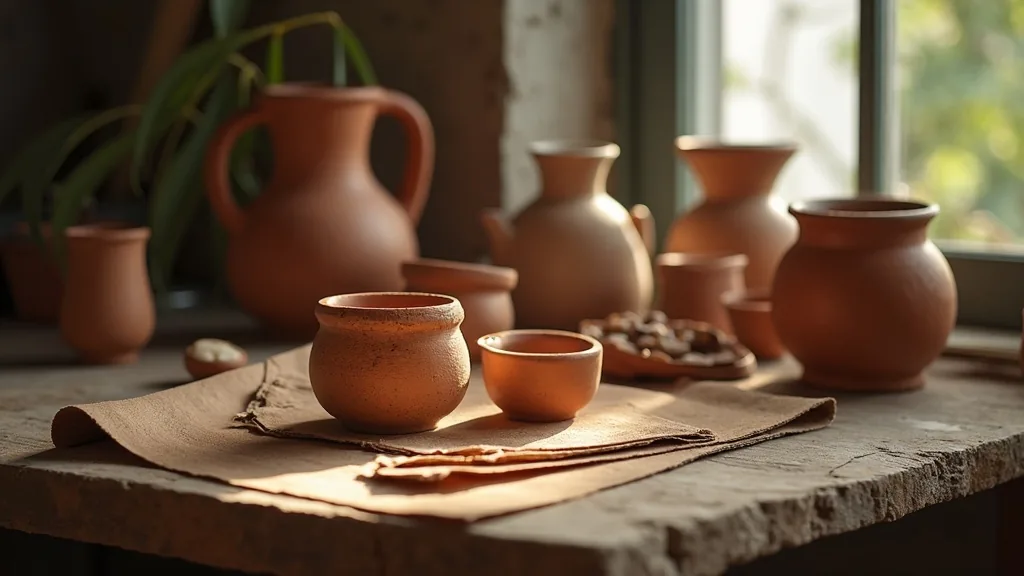
| Home decor | Ceramics, baskets, carved wall art, resin homeware | Hand-made variance; golden sample defines tolerance bands |
| Apparel & accessories | Resortwear, linen, leather bags, silver jewelry | Fabric often from Java mills; lab-dip approval before dyeing |
| F&B | Coconut products, cacao, coffee, spice blends | Halal and food-safety testing via vetted licensed partners |
| Spa & wellness | Massage oils, soaps, scrubs, incense, candles | Packaging follows Bali plastics rules; stability tests via partners |
How Do You Get From Brief to Golden Sample?
Expect two to three sampling rounds. Round one is a prototype that tests whether the workshop understood the spec. Round two corrects materials, finish and dimensions. The final round produces the pre-production sample sealed as the golden sample — in duplicate, one counterpart at the workshop, one held for you.
The golden sample becomes the reference for the pre-shipment AQL inspection: every measurement, colour and finish is judged against it. Intermediate rounds are reviewed by photo and video; the final sample always travels for physical sign-off. Hand-made verticals sometimes need a fourth round — normal, not a red flag.
Who Owns the Tooling, Molds and Designs?
You do, if the contract says so — and ours does. Molds, dies, printing plates, embroidery files and pattern blocks you pay for are listed item by item in the development agreement as your property. Change workshops later, and that clause lets us collect and transfer your tooling rather than argue about it.
Before any design file circulates, each shortlisted workshop signs a bilingual NDA. Exclusivity comes in three flavours — design, category for a period, or territory. Be realistic: these bind that workshop, not the whole island.
One structural note: as of 2026 you do not need an Indonesian company to run a private label program — and that matters, because between January and June 2026 OSS blocked new low-risk-KBLI PT PMA registrations in Bali, an IDR 10 billion paid-up capital requirement has been proposed, and Perda 4/2026 criminalizes nominee ownership. Contract-based development through an agent sidesteps all three (subject to change).
What About Packaging, Labeling and Compliance?
Packaging develops alongside the product, not after it: dielines, barcodes, ingredient or material declarations, country-of-origin marking. Destination-market compliance stays your responsibility; we build the spec so your labels can meet it.
Bali’s own rules shape packaging. The province banned single-use plastics in 2019, has since banned beverage containers under 1 liter (2025–2026, covering hotels and restaurants), and targets a waste-free province by 2027. If your line will ever sell into Bali hospitality, design for those rules from day one.
Two cautions, as of 2026 and subject to change: Indonesia’s new import prohibition framework took effect 1 January 2026 — check before shipping your own trims or packaging into Indonesia for assembly. And no agent can guarantee customs clearance; we prepare documentation properly, customs decides. Certifications are arranged via vetted licensed partners, never issued by us.
How Long Does Development Take, and What Does It Cost?
| Phase | Typical duration | What you receive |
|---|---|---|
| Brief & feasibility | 1–2 weeks | Feasibility notes, 3+ NIB-validated workshops |
| Quotation & agreement | 1 week | Project fee, agreement with tooling and NDA clauses |
| Sampling to golden sample | 3–8 weeks (2–3 rounds) | Sealed golden sample, final spec pack |
| First production run | 4–12 weeks by vertical | AQL-inspected goods against golden sample |
| Consolidation & export | 1–3 weeks | FOB handover, usually Surabaya |
On cost: no honest public rate card exists for Bali private label work, so we do not publish one. You get a written per-project quote with two visible parts — a development fee (feasibility, spec work, sampling management) and a disclosed production-stage fee or commission. Samples and couriers are billed at cost, with receipts.
Two calendar realities to build into your launch date: production must absorb Nyepi (a full island shutdown), Galungan and Kuningan, Ramadan, and peak tourist season workloads — the rainy season also slows wood drying. And most Bali suppliers quote FOB Surabaya (Tanjung Perak, Java) rather than Benoa, trucking goods to Java for cheaper export.
QC runs through production, not just at the end: unannounced vetting visits check worker IDs, raw-material stock, calibration logs and fire exits; a during-production check catches drift early. Vetting and QC reduce risk substantially; neither is a guarantee.
How Does Starting a Private Label Brief Work?
- Send the brief. The form on the contact page or WhatsApp: product idea, target market, quantity, timeline.
- Feasibility reply. The BD desk responds, typically within one working day (WITA), with a realistic read on Bali as origin.
- Shortlist and quote. Minimum three OSS-validated workshops compared; one written project quote.
- Sign the development agreement. Tooling ownership, NDA and exclusivity terms locked before sampling.
- Sample to golden sample. Two to three rounds, sealed sign-off.
- Produce, inspect, ship. Supervision, AQL inspection, consolidation, FOB export — usually Surabaya.
Start a private label brief. Send your product idea, quantities and destination market to the Juara Holding Group BD desk — WhatsApp +62 811-3941-4563 or bd@juaraholding.com. Complex briefs (regulated F&B, multi-vertical ranges, IP-sensitive designs) go to the email desk so the right specialist answers. Bali Product Sourcing is part of Juara Holding Group — an Indonesian group operating from Bali across Indonesia since 2015.
Frequently Asked Questions
What is the minimum order quantity for Bali private label products?
There is no universal MOQ. Hand-made decor and spa lines often start lower than apparel or F&B, where fabric minimums and packaging print runs set the floor. MOQ is negotiated per workshop during quotation, and because we compare at least three vendors you see real ranges before committing. State your target quantity in the brief.
Do Bali workshops sign NDAs before seeing my designs?
Yes. A bilingual NDA is signed before any design file circulates to a shortlisted workshop, and the development agreement adds design-ownership and non-reuse clauses. Enforcement in Indonesia is possible but slow, so practical protection matters too: keep tooling in your name and split sensitive components across workshops where justified.
Do I need an Indonesian company to develop a private label line in Bali?
No. The entire program can run on a contract basis through an agent while you remain an overseas buyer. As of 2026 that route is the practical one: OSS blocked new low-risk-KBLI PT PMA registrations in Bali between January and June 2026, and an IDR 10 billion paid-up capital requirement has been proposed — both subject to change.
Can I private label a spa or F&B product without my own recipe?
Yes — workshops can develop a formulation or blend from a reference product and your requirements, and it then belongs to your program under the development agreement. Stability testing, halal and food-safety certification are arranged via vetted licensed partners; we coordinate the process but never issue certificates ourselves.