09:00–18:00 WITA · Mon–Sat Tender discipline: min. 3 vendors
Bali Product Sourcing

Product verticals

Bali Eco Friendly Product Sourcing — Verified

Bali eco friendly product sourcing services connect importers with verified suppliers of upcycled crafts, natural-material homeware and plastic-free packaging — every green claim checked, never assumed. As an independent sourcing agent, we vet suppliers through Indonesia’s OSS registry, audit production on-site, and structure orders around Bali’s tightening plastic rules. Fees are transparent and quoted per project.

6
Eco-material categories
2019
Bali banned single-use plastics
2027
Province waste-free target
5–10 days
Vetting and shortlist
Eco file

Circular before the word became a label

Reclaimed wood
Boat wood · offcuts
Recycled glass
Post-consumer bottles
Natural fibers
Rattan · bamboo · ata
Packaging
Areca · cassava · paper
Claims
Checked, never assumed
We do not certify anything ourselves

Quick answer

Bali’s workshops were circular before the word became a label: boat wood reborn as furniture, bottles cut into glassware, rattan grown and woven within the same regency. The problem for importers is that “eco” is now the island’s most abused marketing word.

One honest caveat: verification reduces risk; it does not eliminate it, and it is never a guarantee of customs clearance in your market.

  • A direct warning first: we do not certify anything ourselves, and we will not launder a supplier’s story into your brand. What we do is triangulate.
  • Paper first — the 13-digit NIB validated directly in the government’s OSS portal, tax standing on the DJP portal, and export history through the DJBC e-Service.
  • Then the floor — an independent local auditor makes an unannounced site visit of roughly two hours: raw-material stock (does a “recycled glass” workshop actually hold crates of post-consumer bottles?), worker IDs, machine calibration logs, fire-exit signage.

What can you source eco-friendly from Bali?

Six categories, six verification risks

Each carries a specific verification risk we check before you pay a deposit.

Eco-material categories As of 2026
Eco-material category Typical products What we verify before shortlisting
Upcycled & reclaimed wood Furniture and wall decor from retired boats, teak offcuts Documented origin of the reclaimed stock, legal timber paperwork, drying records
Recycled glass & plastic Tumblers cut from bottles, woven goods from plastic waste That post-consumer material actually enters the workshop — not factory-fresh “recycled-style” input
Natural fibers Rattan, bamboo, seagrass, water hyacinth, ata-grass baskets Harvest legality, fumigation and moisture treatment for export
Natural-dye textiles Hand-dyed apparel, tenun weaving, organic cotton goods Dye composition, colorfastness testing, substantiation of any “organic” wording
Coconut & agricultural by-products Shell bowls, husk planters, coconut-sugar and coconut-oil lines Food-contact safety via accredited lab partners, consistent moisture content
Plastic-free packaging Areca-palm plates, cassava-starch bags, paper and banana-leaf wrap Compostability claims, humidity stability across a 30–40 day sea shipment

Which Bali rules shape plastic-free packaging?

Three dated points that change what you can ship

The plastic bans

Bali banned single-use plastic bags, straws and styrofoam in 2019. Between 2025 and 2026 the province extended restrictions to beverage containers under one liter, covering hotels and restaurants, and it has set a waste-free target of 2027 — all as of 2026 and subject to change.

The import prohibition framework

Indonesia’s new import prohibition framework took effect 1 January 2026, which affects any plan to bring components or packaging inputs into Indonesia for assembly.

The truck leg to Java

Most Bali suppliers quote FOB Surabaya (Tanjung Perak, Java) rather than Bali’s Port of Benoa — goods are trucked across to Java because export handling there is cheaper. Factor that truck leg into your packaging’s moisture testing.

If your buyers are Bali’s own hospitality sector, sub-liter plastic bottles are already a dead end. If you export, the same pressure has pushed local suppliers to develop exactly the plastic-free packaging lines foreign brands now ask for.

How do we verify green claims instead of repeating them?

Triangulate: paper, then the floor

Every candidate must share its 13-digit NIB, which we validate directly in the government’s OSS portal — the only official platform for doing so. The lookup shows active status, registered address, KBLI business classification and shareholder structure. A supplier who refuses to share an NIB is assumed to operate outside the formal economy and is dropped.

Tax standing is checked on the DJP portal at ereg.pajak.go.id; export history through the DJBC e-Service, which surfaces PEB export declaration numbers and customs clearance records.

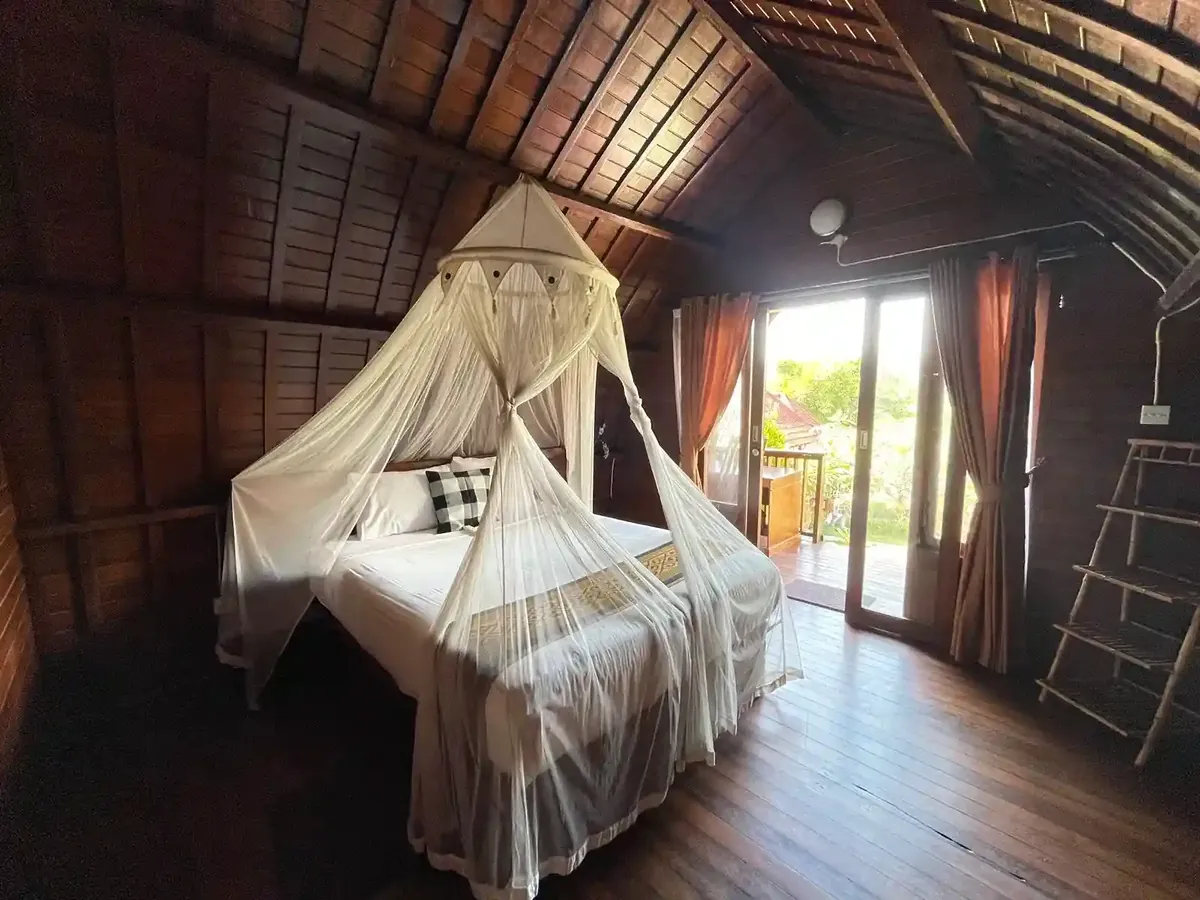
Bamboo and timber interior built from locally grown material
What we will not do

We do not certify anything ourselves, and we will not launder a supplier’s story into your brand.

What does eco sourcing cost and how long does it take?

Our fee logic, and honest durations

The research behind this page surfaced no verifiable, dated price lists for Bali eco goods — so we will not print fake benchmarks. Following standard Indonesian corporate procurement practice, every shortlist compares a minimum of three vendors before a purchase order is raised.

  1. Eco supplier vetting & shortlist — minimum 3 suppliers compared; OSS/NIB, tax and export-record checks; claim review. 5–10 working days, fixed project fee quoted after your brief.
  2. On-site eco audit — unannounced visit of about 2 hours: material stock, worker IDs, calibration logs, fire safety. Scheduled within 1–2 weeks, per-visit fee by location.
  3. Sample round — sample production, claim documentation, international courier. 2–4 weeks, pass-through costs plus handling fee.
  4. Full sourcing to FOB — PO management, in-line and pre-shipment QC, consolidation, export documents to FOB Surabaya. 6–12 weeks production, seasonal; transparent commission on order value, agreed in writing before the PO.

Build slack around Nyepi — the island shuts down completely — plus Galungan, Kuningan and Ramadan. The rainy season slows the drying of reclaimed wood and complicates storage, so a Q4 launch should brief us by mid-year.

Checking the claim

Where a green claim is verified

Paper first, then the floor. Every sustainability line we pass on has to survive both.

Terraced farmland in highland Bali
'Local' and 'natural' are checked against where the material actually comes from.
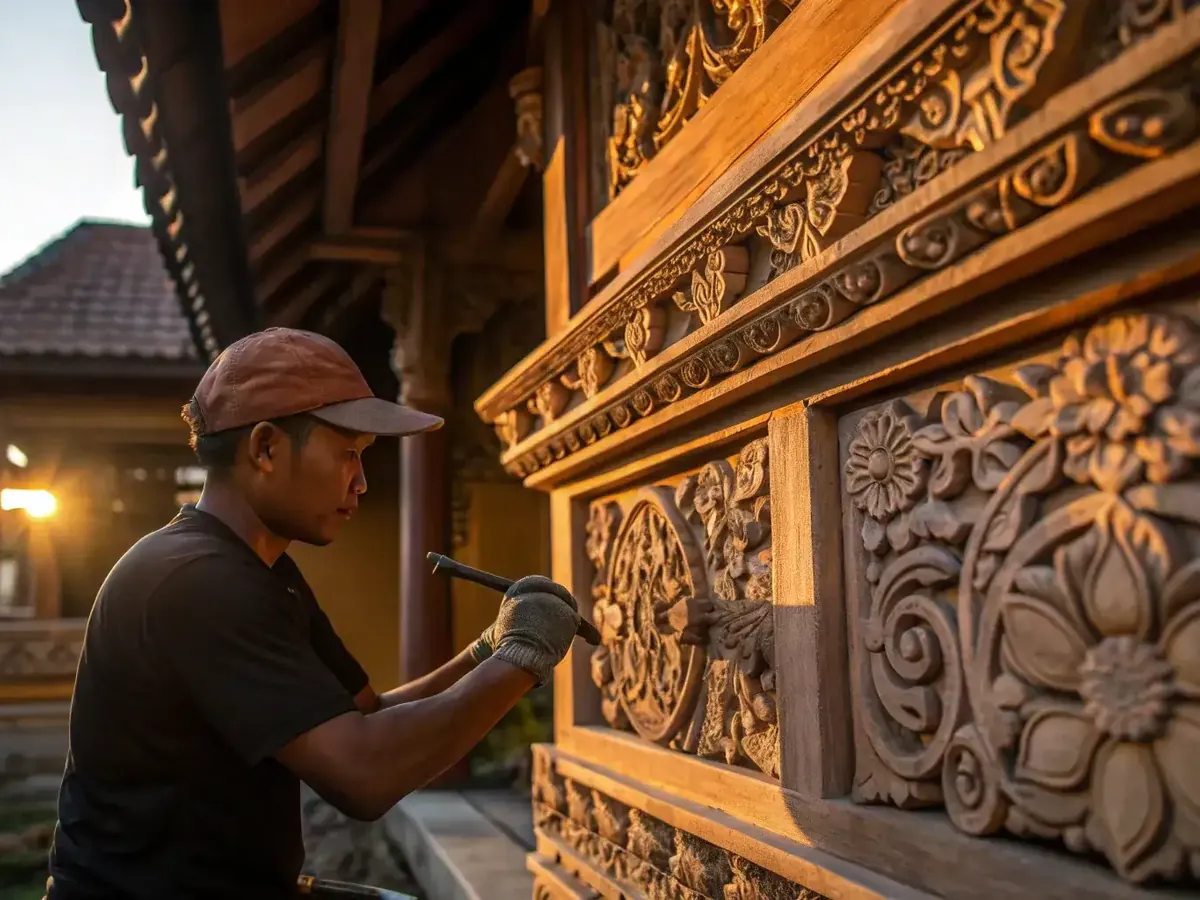
Craftsman working reclaimed timber
Reclaimed and certified-route timber, with the document trail that supports the claim.
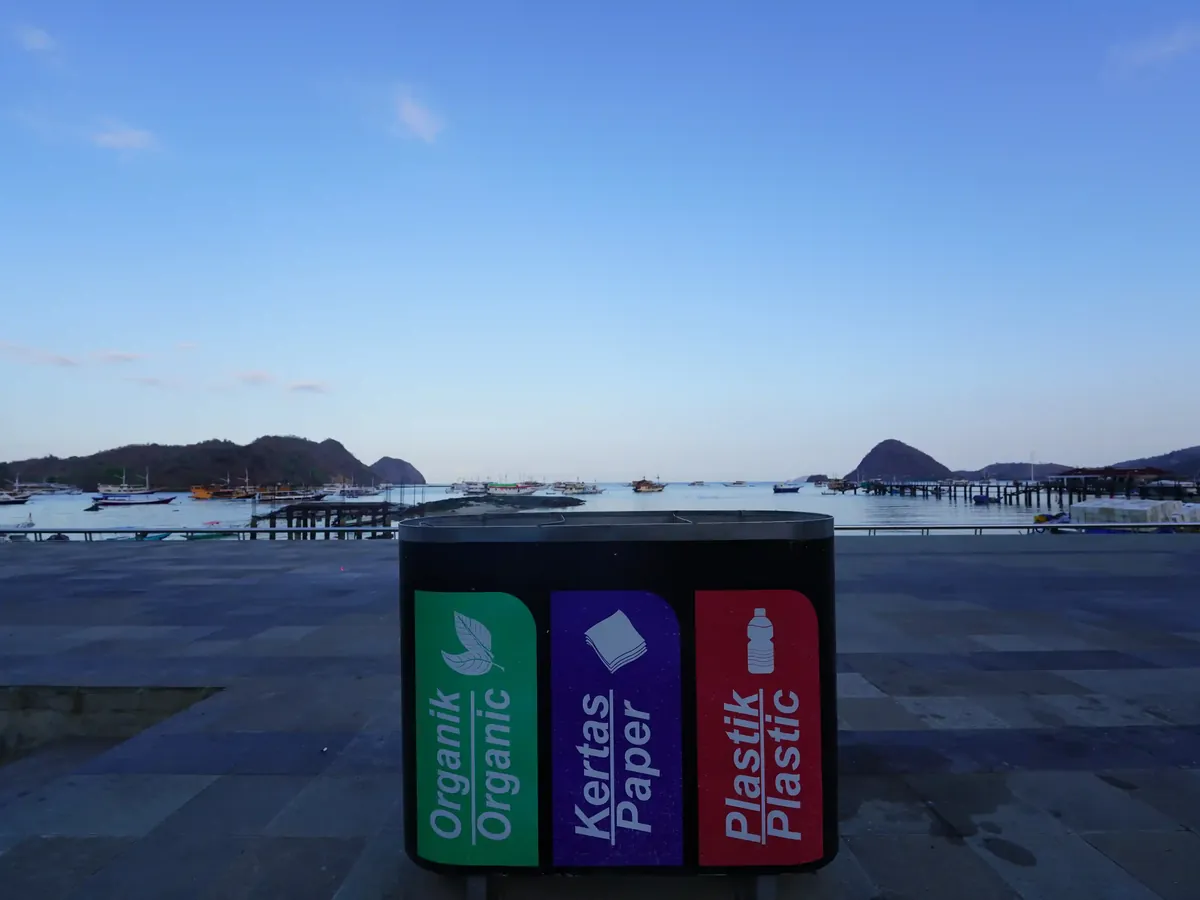
Separated waste bins labelled for organic, paper and plastic
Bali's single-use plastic rules shape packaging decisions from the first sample onward.

How does booking work?

Five steps from brief to FOB Surabaya

  1. Send your brief
    Product category, volumes, target market, and which eco claims your buyers actually require.
  2. Scoping call and written quote
    Our fee or commission is stated up front. No hidden margins are added to supplier invoices.
  3. Vetting and shortlist
    At least three candidate suppliers compared, NIB validated in OSS, claims mapped against evidence.
  4. Samples and claim verification
    Samples shipped to you; lab tests or certificates arranged via vetted licensed partners where a claim requires it.
  5. Production, QC and consolidation
    Inspections during and after production, then consolidation and export documentation, typically to FOB Surabaya.

Buyer questions

Frequently Asked Questions

How do you verify a Bali supplier’s eco-friendly claims?
We start with paperwork: the supplier’s 13-digit NIB validated directly in the government OSS portal, tax standing on the DJP portal, and export history through the DJBC e-Service. Then an independent local auditor makes an unannounced site visit to confirm raw-material stock matches the claim. A supplier who refuses to share an NIB is treated as informal and excluded.
Can you source packaging that complies with Bali’s plastic bans?
Yes. Bali banned single-use plastics in 2019 and, across 2025–2026, extended restrictions to beverage containers under one liter in hotels and restaurants, with a waste-free target of 2027 — as of 2026, subject to change. We source areca-palm plates, cassava-starch bags, paper and banana-leaf wrap, and test humidity stability before you commit to a container load.
Do eco-certified Bali products cost more than conventional ones?
Usually, yes — verified waste streams, natural dyes and third-party certificates add cost and lead time. Our research found no reliable published price benchmarks for Bali eco goods, so we refuse to quote generic figures. Every project is priced individually after a brief, with our fee or commission stated in writing before any purchase order is raised.
How long does an eco sourcing project from Bali take?
Plan for five to ten working days for vetting and shortlist, two to four weeks for samples, and six to twelve weeks for production and QC. Add margin around Nyepi, when the whole island stops, plus Galungan, Kuningan and Ramadan. The rainy season also slows the drying of reclaimed wood, so build slack into launch dates.

All 100 questions, answered on the FAQ page

Build an eco sourcing plan

Tell the desk what you sell and where you sell it

We will return a realistic eco sourcing plan: candidate material categories, the verification steps each one needs, and honest timelines — no invented certificates, no invented prices.

We are an independent sourcing and procurement agent, not a manufacturer. Vetting and QC reduce risk but are not guarantees, and nobody can promise customs clearance.